About this guide
A spoiler-light guide to Hunter × Hunter's major arcs, changing genres, and the best expectations for a first watch.
Why the arcs feel so different
Hunter × Hunter repeatedly changes genre while keeping character choices and rules consistent. A testing adventure becomes a family rescue, crime thriller, game, survival epic, and political drama. Expecting every arc to reproduce the previous one can hide what the series does best.
Hunter Exam
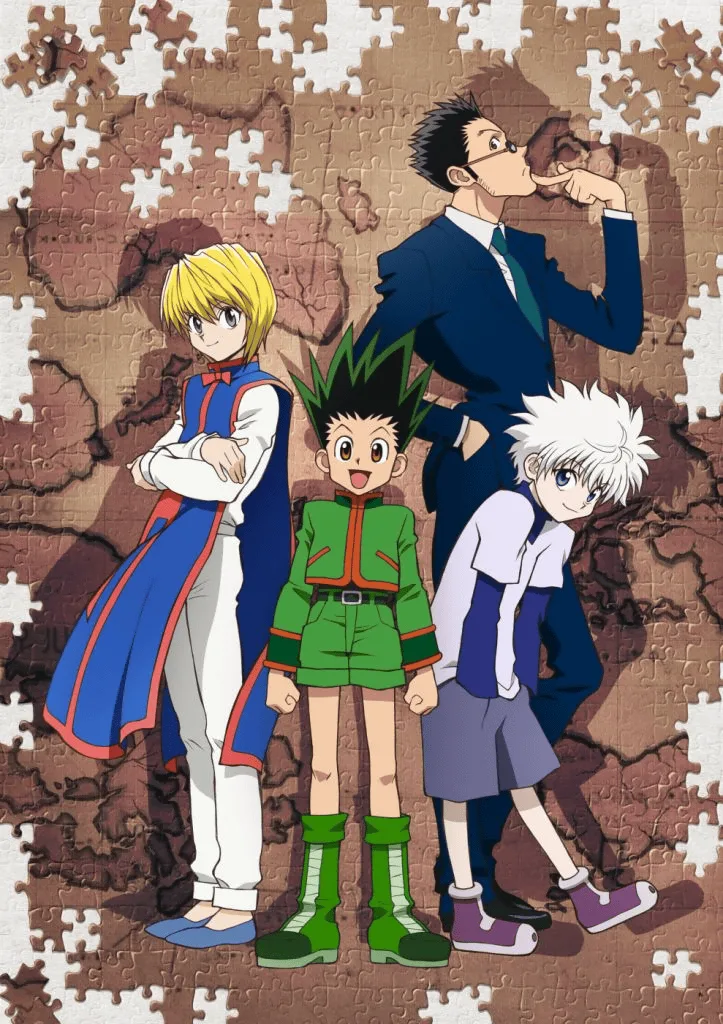
The opening introduces Gon, Killua, Kurapika, and Leorio through challenges that test judgment as often as strength. Pay attention to how each person defines success. Early brightness does not mean the world is safe; danger is often presented without warning.
Zoldyck Family
This compact transition makes Killua's background personal. Rather than treating rescue as a simple battle, it asks what friendship can offer someone raised to believe affection is conditional.
Heavens Arena
The series formalizes Nen and demonstrates why raw talent needs structure. This arc is a tutorial, but the lessons remain relevant for every later confrontation. Rules that sound technical will become tools for strategy and character expression.
Yorknew City
Yorknew shifts focus toward Kurapika and organized crime. Its urban atmosphere, competing factions, and morally complicated antagonists make it one of the most tightly constructed arcs. The story becomes darker without abandoning the friendships built earlier.
Greed Island
Greed Island uses game rules as a training environment and mystery. It is lighter after Yorknew, but it develops practical Nen application and the partnership between Gon and Killua. Do not dismiss the card systems; limitations create many of the arc's solutions.
Chimera Ant
The longest major arc begins like a creature threat and expands into an examination of humanity, identity, leadership, and violence. Its narrator and pacing are deliberate. Watch in steady groups of episodes, and notice how minor encounters alter the moral shape of the conflict.
13th Hunter Chairman Election
The final animated arc deals with consequences while shifting toward association politics and Killua's family. It is shorter, faster, and emotionally important after the scale of Chimera Ant.
1999 or 2011 adaptation?
The 2011 anime is the easiest complete starting point and covers more material. The 1999 adaptation offers a different mood and direction that returning fans may appreciate. For a first watch, choose one adaptation rather than alternating episode by episode.
Best first-watch advice
- Learn Nen vocabulary instead of skipping explanations.
- Expect protagonists to leave the center when another character's story needs space.
- Avoid arc rankings until you finish; character names can reveal major outcomes.
- Take a short break during a long arc if attention drops.
Hunter × Hunter's consistency lies beneath its changing surface. Each arc asks what people do with desire when the rules, risks, and available power change.
Arc-by-arc viewing advice
Do not skip the lighter opening arcs to reach Yorknew or Chimera Ant. Hunter × Hunter teaches its rules by changing genres, and early friendships supply the emotional baseline for later separations and risks. Watch the 2011 television series in broadcast order, treat recap material as optional, and use arc endings as natural break points. Character profiles should be opened only after completing the arc in which that character becomes important.