About this guide
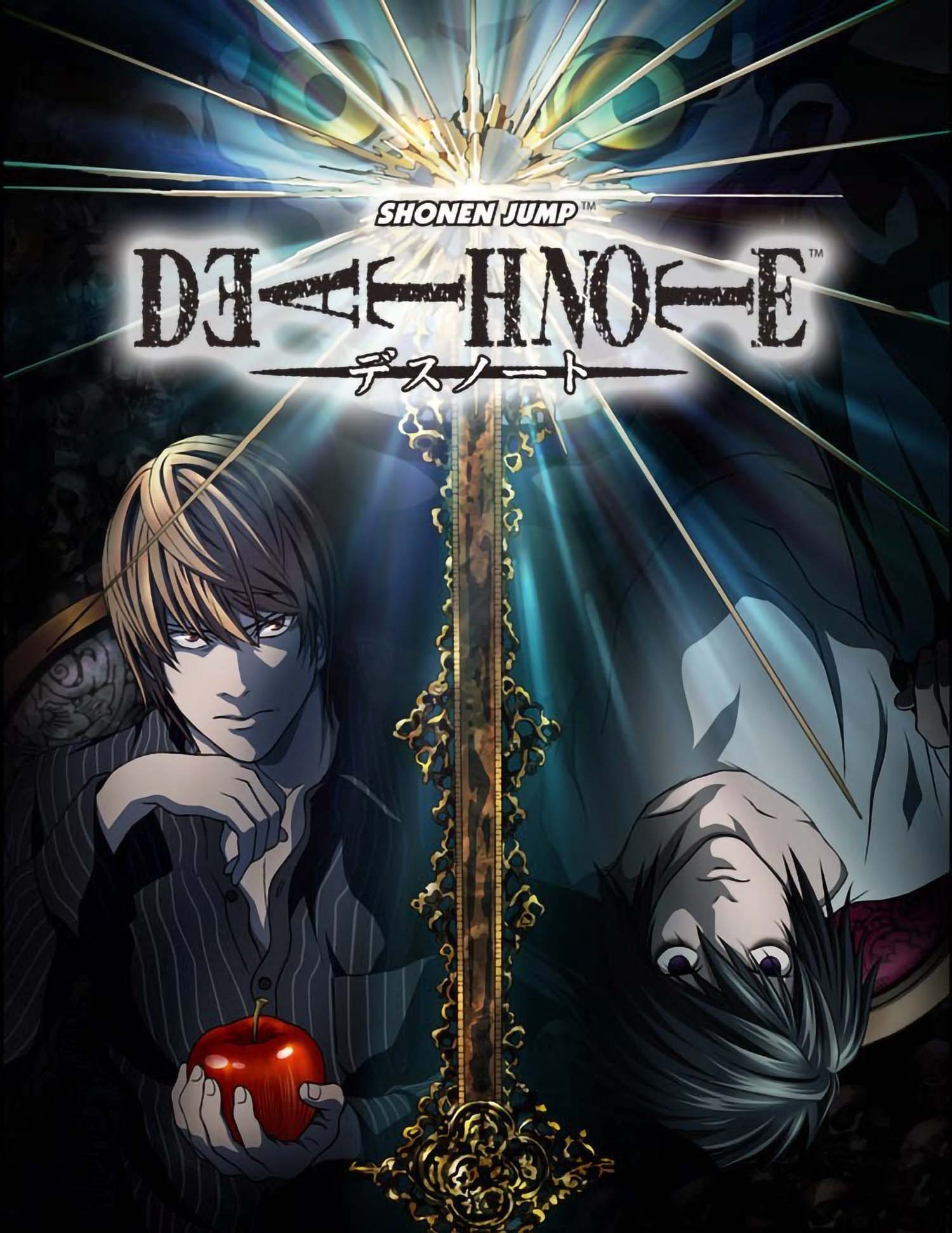
A spoiler-conscious analysis of how Light and L turn justice, pride, performance, and isolation into Death Note's central duel.
Spoiler boundary
This essay discusses the structure of Light and L's rivalry and their motivations, but avoids describing the story's final resolution. Viewers who want a completely blind experience should return after the central investigation is established.
Two versions of justice
Light begins with an argument about social order: dangerous people escape consequences, fear can deter crime, and exceptional power could correct a failed system. L presents himself as the defender of law. Yet both quickly reveal that justice is also personal. Each needs to prove that his own mind deserves to decide the case.
Their methods expose the problem. Light acts without accountability because he believes intelligence and results authorize him. L bends privacy, procedure, and the lives of suspects because catching Kira justifies extraordinary pressure. The moral distance between them is real, but neither is a neutral institution.
Pride turns investigation into intimacy
The duel works because each man finally meets someone who resists easy classification. Light cannot simply eliminate L without exposing himself. L cannot treat Light as an ordinary suspect because the evidence is mixed with intuition. Attention becomes obsessive.
They study expressions, habits, and tiny changes in language. Scenes that look like conversation are tactical exchanges. Each performs normality while hoping the other will reveal the effort behind his performance.
Light needs an audience
Light often describes a better world, but his private reactions show how deeply he values recognition. Anonymous power is not enough; he wants the hidden author of the new order to be intellectually undeniable. L's challenge therefore attacks more than the plan. It attacks Light's self-image.
L uses strangeness as control
L's posture, diet, and bluntness make him appear socially detached. They also destabilize rooms. Other people must adjust to him, while he watches how they respond. His oddness becomes both authentic trait and investigative advantage.
Unlike Light, L is willing to state uncertainty, but that does not make him humble. He converts suspicion into a contest and risks enormous resources on the belief that his intuition is superior.
Their shared isolation
Both characters stand apart from ordinary relationships. Light treats people as roles in a plan. L engages most comfortably through problems. Their rivalry creates a form of connection neither can safely acknowledge: each is understood most clearly by the person trying to defeat him.
Why the conflict remains compelling
Death Note does not rely only on clever traps. It asks whether intelligence without accountability becomes another appetite, and whether pursuing a guilty person can corrupt the standards used to define guilt. Light and L are memorable because their differences matter and their similarities make those differences unstable.
The central question is not simply who is smarter. It is what each man believes superior intelligence permits him to do.
Questions for a closer rewatch
Watch how each character behaves when nobody is available to admire the performance. Note when Light changes explanations for different audiences and when L converts uncertainty into pressure. Their apparent contrast—socially polished student versus eccentric detective—often hides a shared need to control the rules of engagement. This lens makes the analysis useful beyond deciding who “won”: it reveals how pride changes evidence, relationships, and definitions of justice.