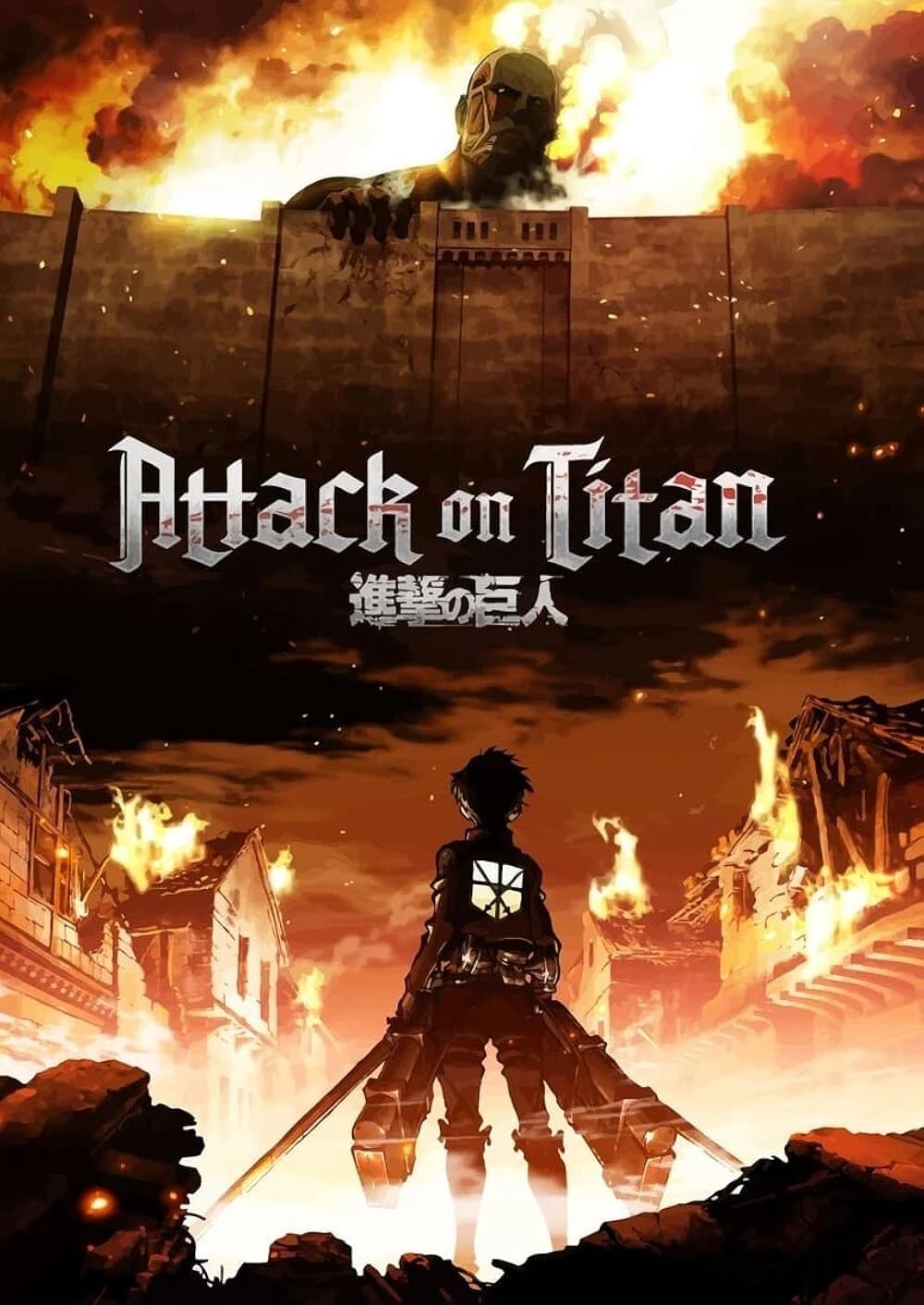
About this guide
A spoiler-conscious analysis of how Eren's changing idea of freedom drives Attack on Titan's central conflict.
Spoiler boundary
This analysis discusses Eren's broad development and the themes surrounding his later choices without reconstructing the ending scene by scene. New viewers should finish the main story before reading deeper character debates.
Freedom begins as geography
Young Eren understands freedom physically. The walls are a visible denial, and the outside world represents everything withheld from him. His anger is direct because the problem appears direct: break the barrier, defeat the enemy, and reclaim movement.
That definition is emotionally powerful but incomplete. Eren rarely imagines freedom as rest, compromise, or coexistence. He imagines forward motion. When something blocks the path, his first instinct is to destroy the obstruction rather than ask what produced it.
Knowledge makes the goal harder
As the world becomes larger, the enemy stops being a single inhuman force. History introduces people with memories, fears, and competing claims to safety. The discoveries that should expand Eren's freedom instead narrow his imagination. Every answer adds responsibility and another future he believes must be controlled.
This is one of the story's central ironies: Eren gains information and power while feeling less able to choose. He begins speaking as if the path ahead already exists, even when his own values helped create that path.
Power creates isolation
Eren's abilities give him access to decisions no friend can share equally. The imbalance damages conversation. Mikasa and Armin can question him, but they cannot fully occupy his position, and Eren increasingly treats emotional distance as a tool.
Isolation is not proof that nobody understands him. It is partly a strategy that protects his chosen direction from the people most capable of changing it. His harshest interactions often reveal how important those relationships remain: indifference would require less effort.
Eren and the idea of the enemy
Early Eren divides the world into people inside the walls and monsters outside them. Later knowledge destroys that simple border, but the habit of division remains. Attack on Titan repeatedly asks whether learning an enemy's humanity is enough to interrupt violence when fear, grief, and institutions reward escalation.
Agency versus inevitability
The character becomes most difficult when he frames action as unavoidable. The story deliberately keeps choice and inevitability in tension. Eren experiences pressure from history, power, and what he knows, yet he also recognizes that the future resonates with desires already inside him.
Understanding those pressures is not the same as excusing every outcome. A strong reading holds both truths: Eren is shaped by a brutal world, and his decisions help shape the world into something more brutal.
Why audiences remain divided
Some viewers prioritize his original longing and see tragedy in how it is corrupted. Others focus on the people reduced to obstacles by that longing. The story supports debate because motivation is explained without becoming moral permission.
Final reading
Eren is not simply a hero who becomes a villain or a victim who loses control. He is a character whose narrow, emotionally sincere idea of freedom becomes more dangerous as his ability to impose it grows. His arc asks whether freedom pursued without room for another person's future can still deserve the name.