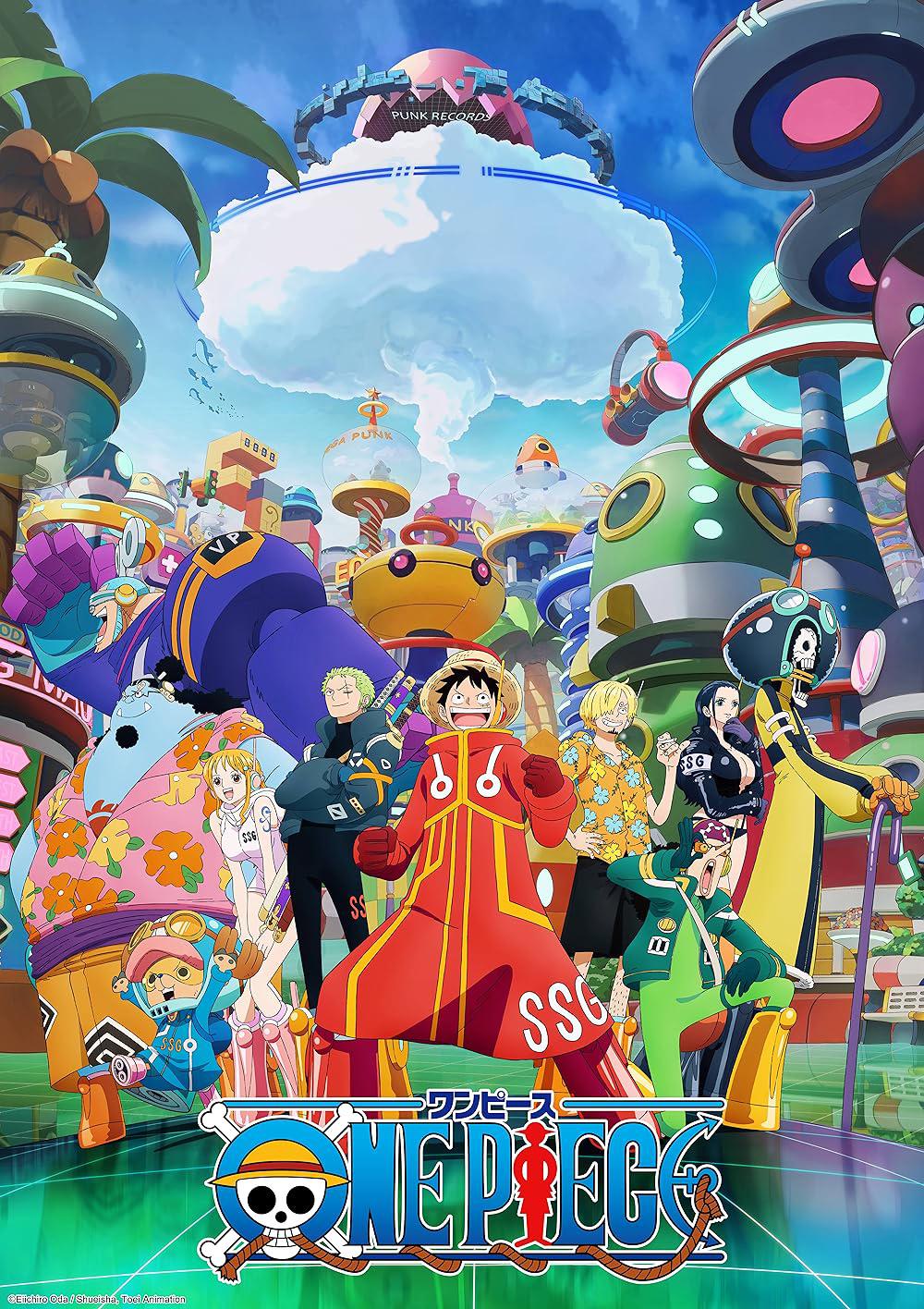
About this guide
Follow the major One Piece sagas in a clear, spoiler-light order, with guidance on pacing, movies, and where first-time viewers should begin.
The simple answer
Watch the television story in release order. One Piece is designed so that minor characters, locations, and promises can matter hundreds of episodes later. Skipping canon material to reach a famous fight often removes the reason that fight matters.
1. East Blue Saga
Begin with Luffy setting out, recruiting the core crew, and defining what freedom means to each member. The individual island stories establish the series' lasting rhythm: arrive in a troubled place, understand the people living there, and challenge the power keeping them trapped.
2. Alabasta Saga
The Grand Line expands both the geography and the politics of the world. The crew becomes involved in a national crisis and faces its first large organized enemy. This saga proves the story can sustain a conflict bigger than one town while keeping personal stakes clear.
3. Sky Island Saga
Sky Island emphasizes exploration, lost history, inherited belief, and the pleasure of discovering somewhere impossible. Viewers sometimes rush through it, but its ideas and details echo much later. Treat it as an adventure, not an obstacle between major villains.
4. Water 7 and Enies Lobby
Water 7 turns internal pressure into the main threat before Enies Lobby releases that tension in a rescue mission. Trust, identity, and whether a damaged person still belongs are central. For many viewers, this is where One Piece's long-form character writing becomes undeniable.
5. Thriller Bark and Summit War
Thriller Bark mixes horror comedy with important crew moments, then the Summit War sequence widens the story to the world stage. The pace accelerates and Luffy confronts limits that determination alone cannot solve.
6. Fish-Man Island and Punk Hazard
After the time skip, Fish-Man Island reintroduces the crew and tackles inherited prejudice. Punk Hazard begins a chain of alliances and consequences that carries through several later sagas.
7. Dressrosa and Whole Cake Island
Dressrosa is a large liberation story with many moving pieces. Whole Cake Island narrows the emotional focus, testing loyalty and family through one crew member's crisis. Their structures differ, but both examine control disguised as protection.
8. Wano Country
Wano brings long-running alliances together in a closed nation with its own history and visual identity. Give the early setup time: relationships established before the largest battles supply their emotional weight.
9. The Final Saga
Continue from Wano in broadcast order. The story begins connecting mysteries, global factions, and people introduced much earlier. Avoid searching character names if you want to stay unspoiled; even thumbnails can reveal major developments.
Where do the movies fit?
Most One Piece movies are optional side stories rather than required chapters. They work best after you recognize the featured crew lineup. If a film interests you, check its release date and watch it after the television episodes airing at that time. Do not interrupt an emotional arc merely to force a movie into a precise slot.
A sustainable viewing plan
- Watch in small arc-sized sessions rather than racing an episode counter.
- Use official recaps when returning after a break.
- Keep subtitles or a trusted dub consistent during lore-heavy sections.
- Never skip canon solely because an online list calls it slow.
One Piece is long because accumulation is its storytelling method. The best watch order is the one that lets its places and people stay memorable.